Andrew Hurrell • June 19, 2025
What Makes a Poor Website? 🚫 The Costly Mistakes That Drive Customers Away
Your website should work for your business, not against it
We've all been there – you click on a website link, wait for what feels like an eternity for it to load, then struggle to find what you're looking for before giving up in frustration. 😤
As a business owner, the last thing you want is for potential customers to have this experience with your website.
Your website is often the first impression people get of your business, yet so many companies unknowingly sabotage their own success with poor web design choices.
Let's explore the most common website mistakes that could be costing you customers – and more importantly, how to avoid them.
Slow Loading Times ⏰
Nothing kills a first impression faster than a website that takes forever to load. In today's fast-paced world, people expect websites to load within 2-3 seconds maximum.
If your site takes longer than that, you're likely losing potential customers before they even see what you offer.
Common culprits include oversized images, too many plugins, cheap hosting, and bloated code.
Think of your website like a shop front – if customers had to wait five minutes for your door to open, they'd walk away and visit your competitor instead.
Confusing Navigation 🧭
A poor website often feels like a maze with no clear path to the exit.
When visitors can't easily find what they're looking for, they'll abandon ship faster than you can say "contact us."
Your navigation should be intuitive and logical.
If someone lands on your homepage, they should be able to find your services, pricing, and contact information within one to two clicks.
Avoid fancy menu names that sound clever but confuse visitors – stick to clear, descriptive labels that everyone understands.
Mobile Unfriendly Design 📱
With over 60% of web traffic now coming from mobile devices, having a website that doesn't work properly on phones and tablets is business suicide.
A poor website either doesn't display correctly on mobile or requires users to pinch and zoom to read the content.
Mobile-unfriendly sites don't just frustrate users – Google actively penalises them in search results.
If your website isn't responsive, you're not just losing visitors; you're losing visibility in search engines too.
Outdated Design and Content 📅
Nothing screams "unprofessional" like a website that looks like it was built in 2005.
Outdated design elements, old colour schemes, and ancient stock photos make your business appear behind the times.
Equally damaging is outdated content.
If your latest news post is from 2019 or your team photos show people who left years ago, visitors will question whether your business is still operating.
Fresh, current content shows you're active and engaged with your customers.
Poor Contact Information 📞
One of the biggest website sins is making it difficult for customers to get in touch with you.
Burying your contact details in a hard-to-find corner, providing only a generic contact form, or worse – having incorrect phone numbers or addresses – creates unnecessary barriers between you and potential customers.
Your contact information should be prominently displayed on every page, preferably in the header or footer.
Include multiple ways to reach you: phone, email, and physical address if relevant to your business.
Overwhelming or Cluttered Layout 🎨
A poor website often tries to cram everything onto one page, creating a chaotic mess that overwhelms visitors.
Too many colours, fonts, images, and competing elements make it impossible for users to focus on what's important.
Good web design follows the principle of "less is more." White space is your friend – it helps guide the eye and makes your content more digestible.
Focus on one clear message per page and use visual hierarchy to guide visitors through your content.
Lack of Clear Call-to-Actions 📢
Many websites fail because they don't tell visitors what to do next.
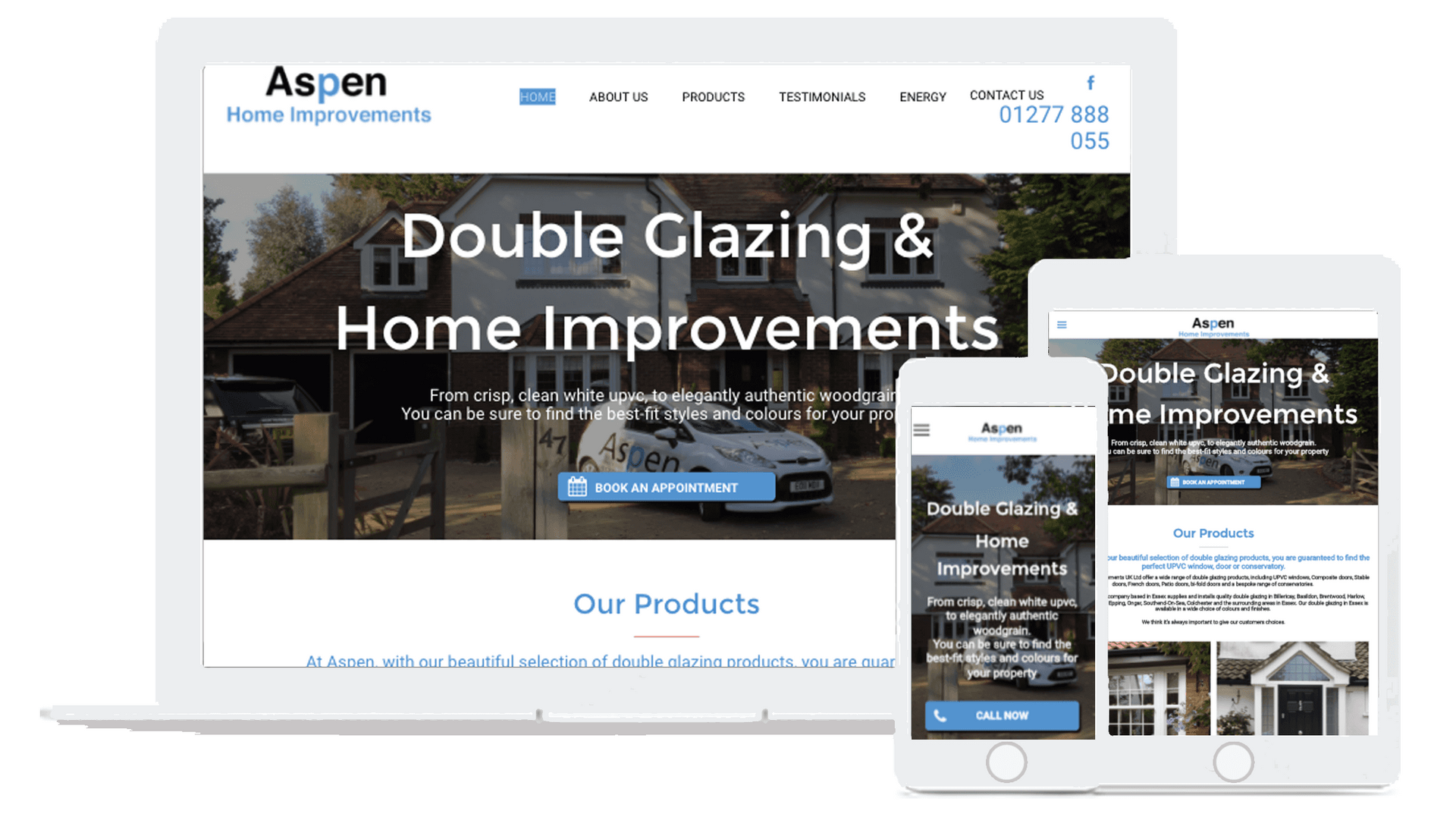
Without clear call-to-action buttons or instructions, potential customers might browse your site but never take the next step to contact you or make a purchase.
Every page should have a clear purpose and guide visitors towards a specific action, whether that's calling you, filling out a form, booking an appointment, or requesting a quote.
Make these actions obvious and easy to complete.
No Social Proof or Testimonials ⭐
People trust other people's opinions more than marketing messages.
A website without customer testimonials, reviews, or case studies misses a crucial opportunity to build trust and credibility.
Social proof doesn't just mean testimonials:
It can include client logos, awards, certifications, or even simple statements about how long you've been in business.
These elements can help your visitors feel confident about choosing you and your services.
Technical Issues and Broken Links 🔧
Not sure if you're aware but nothing undermines professionalism like a broken link, or an error message, or even forms that don't work properly.
These issues make visitors question your reliability and lack of attention to detail.
Regular website maintenance is essential. Check your links regularly, we suggest monthly, test your contact forms, and ensure all features work as expected.
A well-maintained website reflects a well-run business.
The Bottom Line 💡
Your website should work for your business, not against it.
While fixing these issues might seem daunting, remember that even small improvements can make a big difference to your customer's journey and, ultimately, your bottom line.
The good news?
Most of these problems are completely fixable with the right approach and expertise.
Whether you tackle them yourself or work with a professional, addressing these common issues will help ensure your website becomes a powerful tool for growing your business rather than a barrier to success.
Remember, your website is working 24/7 to represent your business – make sure it's putting your best foot forward! 🚀
Marketing Made Simpler - You’re Not On Your Own
More Customers. Bigger Wins. Better Business.